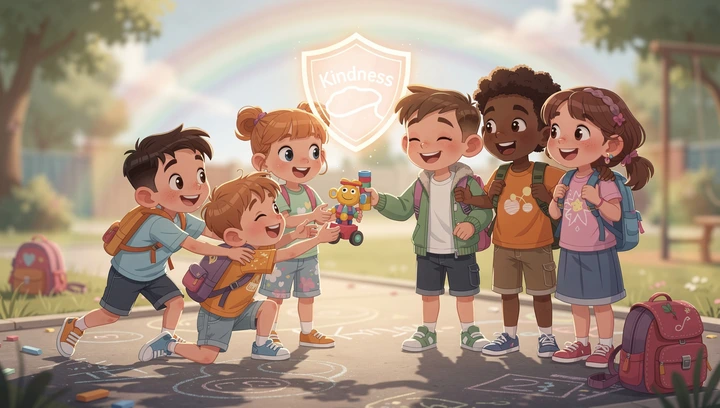
Have you ever seen someone being treated unfairly? Maybe someone was called a mean name, left out of a game, or had a rumor spread about them online. It doesn’t feel good to see, and it certainly doesn’t feel good to experience. That’s what bullying is all about – when someone is repeatedly unkind or hurtful to another person, especially when there’s a power difference. But guess what? Schools everywhere are fighting back with something super important: an anti-bullying curriculum. Think of it like a special set of lessons and activities designed to build a strong “kindness shield” around your school, making it a safer and happier place for everyone. Let’s explore how these amazing programs work!
Table of Contents
What’s the Big Deal About Bullying Anyway?
Bullying isn’t just a small problem; it’s a big deal that can make kids feel sad, scared, and lonely. It can make school feel like a difficult place to be, and it can even make it hard to focus on learning. When bullying happens, it doesn’t just hurt the person being bullied. It can also make the people who bully feel bad inside later, and it can make everyone else who sees it feel uncomfortable or scared to speak up. It affects the whole school family! 😔
The Different Faces of Unkindness
Bullying isn’t always the same. It can show up in many ways, like a sneaky chameleon!
- Mean Words: Calling names, teasing, making fun of someone.
- Pushing and Shoving: Physical bullying, like hitting or tripping.
- Leaving People Out: Social bullying, like spreading rumors or ignoring someone on purpose.
- Online Attacks: Cyberbullying, which happens on phones or computers through mean messages or embarrassing posts.
No matter what it looks like, bullying is never okay. It makes people feel small and unwelcome. That’s why schools are working hard to stop it with special lessons and rules.
Building a “Kindness Shield”: What’s an Anti-Bullying Curriculum?
An anti-bullying curriculum is like a special guidebook for schools. It’s not just a few posters on the wall (though those help too!). It’s a whole plan with lessons, activities, and ways for everyone—students, teachers, and even parents—to work together to prevent bullying. The main goal is to teach everyone how to be kind, respectful, and how to stop bullying when they see it.
This “kindness shield” doesn’t just appear overnight; it’s built piece by piece, day by day. It’s about changing how everyone in the school thinks and acts, making kindness the norm.
More Than Just Talking: The Main Pieces of the Puzzle
What makes a good anti-bullying curriculum strong? It has several important parts that work together:
- Clear Rules: The school sets simple rules about what bullying is and why it’s not allowed. Everyone knows what happens if those rules are broken.
- Learning Time: Teachers lead lessons and activities that help students understand bullying, why it hurts, and what they can do. This often includes things like role-playing or group discussions.
- Teacher Training: Teachers get special training so they know how to spot bullying, how to help students, and how to teach the lessons well.
- Parent Power: Parents are also part of the team! They get information and tips on how to talk to their kids about bullying and support the school’s efforts.
- Looking for “Hot Spots”: Schools might identify places where bullying happens more often (like certain hallways or playgrounds) and put more adults there to help.
These different pieces come together to create a school where everyone feels safe and respected.
Why Our Schools Need This “Kindness Shield”
Imagine a school where everyone feels safe, happy, and ready to learn. That’s what an anti-bullying curriculum helps create! Here’s why it’s so important:
- Happier Kids: When bullying goes down, kids are generally happier and more confident. They can focus better in class and enjoy school activities.
- Better Learning: If you’re worried about being picked on, it’s hard to concentrate on math or reading. A safer school means better learning for everyone.
- Stronger Friendships: These programs teach kids how to be good friends, how to solve problems, and how to include everyone. This leads to stronger, more positive friendships.
- Feeling Like You Belong: Every student deserves to feel like they belong at school. An anti-bullying curriculum helps build a community where everyone feels included and valued.
- Less Trouble Later: Learning to be kind and solve problems peacefully when you’re young can help you make good choices throughout your whole life.
Studies have even shown that schools with good anti-bullying programs can see a big drop in bullying – sometimes by 20% or more! That’s a huge difference for a lot of kids.
The Superpowers Schools Learn: What an Anti-Bullying Curriculum Teaches
An anti-bullying curriculum isn’t just about stopping bad stuff; it’s also about teaching amazing new skills that are like superpowers for life!
Learning to Be a Super Friend (Empathy and Social Skills)
One of the biggest superpowers we learn is empathy. Empathy means being able to understand and share the feelings of others. If you can put yourself in someone else’s shoes, you can better understand how your words or actions might make them feel.
Curriculums teach things like:
- Understanding Feelings: Recognizing different emotions in ourselves and others.
- Being a Good Listener: Really paying attention when someone talks to you.
- Solving Problems Peacefully: Learning how to disagree without being mean or getting into fights.
- Including Everyone: Making sure no one feels left out.
These lessons often come through fun activities, stories, and discussions. For example, a teacher might read a book about a character who feels left out and then ask the class how they would make that character feel welcome.
Knowing What to Do (Reporting and Stepping Up)
What if you see bullying happening? It can be scary to know what to do. An anti-bullying curriculum teaches you important steps:
- Reporting It: This doesn’t mean “tattling.” It means telling a trusted adult (like a teacher, counselor, or parent) what happened. Reporting helps keep everyone safe. Schools often have clear ways to report bullying, sometimes even anonymously, so you don’t have to worry about the bully finding out who told.
- Being an Upstander, Not a Bystander: A bystander just watches, but an upstander takes action! This doesn’t mean you have to fight the bully. It could mean:
- Telling the bully to stop.
- Helping the person being bullied walk away.
- Comforting the person who was bullied.
- Getting a teacher or another adult right away.
Learning these skills gives kids the confidence to do the right thing and make a positive difference.
Schools Working Together: Everyone’s Role
Stopping bullying is a team effort. Everyone in the school plays a part!
- Students: You learn to be kind, respectful, and to speak up or report bullying.
- Teachers & Staff: They teach the lessons, watch out for bullying, and help students who need it. They also set the rules and make sure everyone follows them.
- Parents: They talk to their kids about bullying, support the school’s rules, and work with teachers if their child is involved in bullying.
When everyone works together, the “kindness shield” becomes super strong!
Real-Life Kindness Builders: Awesome Programs in Action
Many schools use special programs and resources to help them build their anti-bullying curriculum. These programs have been developed by experts to be really effective.
One famous program is the Olweus Bullying Prevention Program (OBPP). It’s used all over the world and focuses on the whole school – from the classroom to the playground to how the community helps. It helps schools make sure there are clear rules and consequences for bullying, and it teaches students how to be positive and supportive of each other.
Another great program is Positive Action, which teaches kids that they feel good about themselves when they do positive things, like treating others kindly. It helps students learn how to deal with bullying in healthy ways.
And there’s Second Step, which has units specifically for bullying prevention. It teaches kids about friendship, social skills, how to say “no” to bullying, and how to manage their feelings. They even have lessons on cyberbullying for older kids!
Quick Look: Popular Anti-Bullying Programs
Here’s a quick comparison of some ways these programs help:
| Program Name | Main Focus Areas | Who It Helps | Key Activities |
| Olweus Bullying Prevention Program | Whole-school approach, clear rules, community | All students, teachers, parents, school community | School rules, teacher training, parent involvement, student discussions |
| Positive Action | Social-emotional learning, positive actions | Students (elementary to high school) | Group activities, stories about bullying, learning decision-making skills |
| Second Step (Bullying Prevention) | Social skills, empathy, conflict resolution, cyber | Students (Kindergarten to Middle School) | Lessons on friendship, assertiveness, emotion management, bystander power |
| Heroes In Waiting | Core needs (safety, belonging), trauma-informed | Students (4th-8th grade), counselors, teachers, parents | Lessons on respecting differences, emotional intelligence, taking action |
You can learn more about how programs like Positive Action help schools prevent bullying by visiting their website: Positive Action Anti-Bullying Curriculum.
Bumps in the Road: Making the “Kindness Shield” Stronger
Even with the best plans, making a school completely free of bullying can be tough. Sometimes, schools face challenges when trying to build and keep their “kindness shield” strong.
When Plans Don’t Quite Go to Plan
- Not Enough Time: Teachers already have a lot to teach, and sometimes it’s hard to find enough time for all the anti-bullying lessons.
- Everyone Needs to Be On Board: If only some teachers or students are trying, but others aren’t, the program might not work as well. Everyone, from the principal to the youngest student, needs to believe in it and participate.
- Parents Who Don’t Help: Sometimes, parents of a child who is bullying might not want to work with the school. This can make it harder to help that child change their behavior.
- Different Ideas: People might have different ideas about what bullying is or how to stop it, which can make it hard for everyone to work together smoothly.
It’s like trying to build a fort, but some people aren’t using the right tools or aren’t helping to lift the heavy parts. But even with these challenges, schools are always learning and trying to make their programs better!
There’s even a discussion among experts about how some anti-bullying programs, especially those that rely heavily on peer intervention (where kids are trained to step in), might not always work the way we hope. Some research suggests that if not done carefully, it could even make things worse for the person being bullied. So, schools have to be really smart about picking the right strategies and making sure they truly help, focusing on the feelings of the person being bullied.
The Tricky World of Online Bullying
Another big challenge today is cyberbullying. Bullying used to mostly happen at school, but now, with phones and computers, it can follow kids home. Cyberbullying can be extra sneaky because:
- It can happen 24/7, making it hard to escape.
- The bully can hide behind a screen.
- Mean messages or pictures can spread very quickly to many people.
Schools are adding lessons about digital citizenship to their anti-bullying curriculums. This teaches students how to be responsible, respectful, and safe online. It’s about learning that the internet is a public place and what you post can have a real impact on others.
What’s Next for Our Schools? Growing the “Kindness Shield”
The work to make schools safe and kind is an ongoing adventure! It’s not something that ever truly ends. Experts and schools are always looking for new and better ways to strengthen that “kindness shield.”
Imagining Even Kinder Classrooms
In the future, we might see:
- More Focus on Feelings: Even more lessons that help kids understand and manage their emotions, and really feel what others are feeling.
- Smarter Ways to Report: Easier and safer ways for kids to report bullying, maybe through apps or special websites that make it clear their report is taken seriously.
- Learning from Data: Schools will get better at looking at information (like anonymous surveys from students) to understand exactly where and how bullying is happening, so they can create super-targeted solutions.
- Even Stronger Partnerships: Better ways for schools, families, and the community to work together as one big team against bullying.
- Personalized Help: Programs that can give specific help to kids who are bullying, to understand why they’re doing it and help them learn better ways to interact.
Imagine a school where every single student knows they are valued, respected, and safe. That’s the dream, and anti-bullying curriculums are helping us get there, one kind act at a time! 🚀
Keeping Our Schools Safe and Happy Together
So, what have we learned? An anti-bullying curriculum is a powerful tool schools use to create a safe, respectful, and happy place for everyone. It teaches us about different types of bullying, helps us build empathy, and gives us the courage and tools to report bullying and stand up for others.
It’s a big team effort, involving students, teachers, staff, and parents. While there are challenges like making sure programs are implemented well and dealing with cyberbullying, schools are constantly working to improve and adapt. By learning these valuable lessons and working together, we can all contribute to a school community where kindness always wins and every student feels like they truly belong. Let’s keep building that “kindness shield” stronger every day! 💪😊