
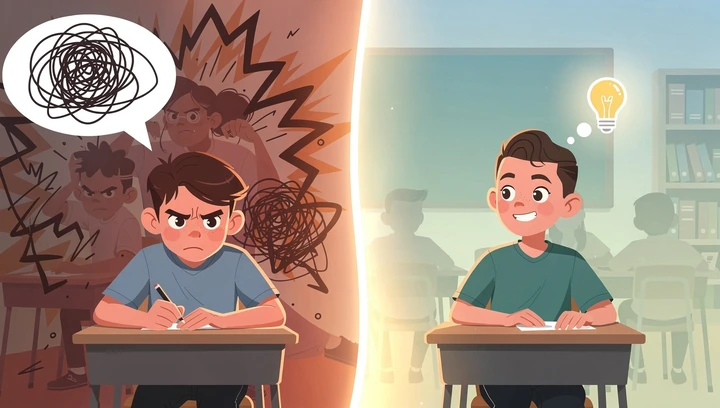
Ever found yourself dreading a particular class, not because of the subject matter, but because of a challenging classmate? You’re definitely not alone! Whether it’s the group project slacker, the constant interruptor, or the person who just seems to rub everyone the wrong way, a difficult classmate can turn an otherwise positive learning experience into a source of stress.
But what if you could transform these situations? This isn’t about ignoring problems or just “sucking it up.” Instead, we’ll explore practical, empathetic, and effective strategies to navigate these tricky waters, turning potential academic headaches into opportunities for personal growth and improved classroom dynamics. Get ready to equip yourself with the tools to handle even the most frustrating peer interactions, ensuring your focus remains on learning and thriving.
Table of Contents
Decoding the Dreaded Classmate Dilemma: Understanding the Roots of Conflict
Before we can tackle a “bad” classmate situation, we need to understand what makes a classmate “bad” in the first place. It’s rarely a simple case of someone being inherently difficult. More often, it’s a clash of personalities, differing work ethics, or underlying issues that manifest as classroom friction. Understanding these nuances is the first step toward finding a resolution.
The Spectrum of “Bad”: Identifying Different Types of Difficult Classmates
Classmates can be challenging in many ways, and recognizing the specific type of behavior you’re dealing with can help tailor your response. Think of it as a spectrum, with various archetypes emerging:
- The Slacker/Free Rider: This classmate consistently underperforms, misses deadlines, or contributes minimally, especially in group projects, leaving others to pick up the slack. They might disappear when work needs doing and reappear for the accolades.
- The Dominator/Know-It-All: They monopolize discussions, interrupt others, dismiss differing opinions, or insist their way is the only right way. Collaboration with them can feel like a monologue.
- The Complainer/Negative Nancy: Always finding fault, criticizing ideas, and bringing down the group’s morale. Their negativity can be contagious and stifle creativity.
- The Distractor/Disruptor: These individuals might talk excessively during lectures, make loud noises, constantly check their phone, or generally behave in ways that pull focus from the lesson or group work.
- The Socializer (Overly So): While friendly, their priority is socializing rather than the task at hand. This can be disruptive in class and unproductive in group settings.
- The Quiet Contributor (Too Quiet): Not “bad” in the traditional sense, but their extreme passivity or shyness can hinder group progress, as ideas and contributions are held back. They might not speak up even when asked.
Knowing which “type” you’re facing helps you anticipate behaviors and strategize more effectively.
Why It Happens: Unpacking the Reasons Behind Troubled Classroom Dynamics
It’s tempting to label someone as simply “difficult,” but there’s often more beneath the surface. Understanding potential root causes can foster empathy and guide your approach:
- Differing Personalities & Communication Styles: Some people are naturally more assertive, others more passive. Some prefer direct communication, while others avoid confrontation. These differences can easily lead to misunderstandings and frustration.
- Work Ethic & Priorities: What one person considers a priority, another might not. Differences in how much effort, time, or perfectionism someone invests can cause friction, especially in shared tasks.
- External Stressors: A classmate might be dealing with personal issues outside of school – family problems, financial stress, mental health challenges, or even just a bad day. These can impact their behavior and ability to engage constructively.
- Lack of Skills: Sometimes, a “bad” classmate isn’t intentionally difficult but simply lacks organizational skills, time management abilities, or the confidence to contribute effectively. They might not know how to be a better team player.
- Misunderstandings: Assumptions and misinterpretations can quickly escalate a minor issue into a major conflict. What seems like intentional malice might be an innocent oversight.
- Perception Differences: Your perception of a classmate’s behavior might differ significantly from their own or from how others perceive them. Objectivity can be hard to maintain when you’re frustrated.
Recognizing these potential reasons doesn’t excuse problematic behavior, but it provides a framework for understanding and can help you approach the situation with a more constructive mindset.
Proactive Pathways to Peace: Setting the Stage for Better Interactions
While you can’t control other people’s actions, you can certainly influence the environment and your own responses. Taking proactive steps can often prevent minor annoyances from escalating into full-blown conflicts. Think of it as laying down good foundations.
Building Your Personal Toolkit: Self-Reflection and Emotional Intelligence
Before engaging with a challenging classmate, it’s crucial to look inward. Your reactions and attitudes play a significant role in how situations unfold.
- Identify Your Triggers: What specific behaviors really get under your skin? Is it tardiness, interruptions, or a lack of follow-through? Knowing your triggers helps you anticipate your reactions and manage them proactively.
- Practice Self-Regulation: When you feel frustration bubbling up, take a moment. Deep breaths, a quick walk, or counting to ten can prevent an impulsive, unhelpful reaction. Responding calmly is always more effective than reacting emotionally.
- Develop Empathy (Even a Little): Try to put yourself in their shoes. What might be driving their behavior? Could they be stressed, shy, or genuinely unaware of the impact they’re having? A little empathy can shift your perspective from irritation to understanding.
- Assess Your Role: Honestly ask yourself if you might be contributing to the dynamic in any way. Are you overly critical? Are your own communication habits conducive to good teamwork? Self-awareness is key.
By strengthening your emotional intelligence, you become better equipped to handle difficult situations with grace and effectiveness, rather than letting them derail your focus.
The Power of Proximity: Strategic Seating and Early Intervention
Sometimes, small environmental adjustments can make a big difference. Similarly, addressing issues early can prevent them from snowballing.
- Strategic Seating: If possible, consider where you sit in the classroom. If a classmate’s distracting habits are disruptive, moving your seat might be a simple, non-confrontational solution. This isn’t about avoidance, but about optimizing your learning environment.
- Early, Gentle Intervention: Don’t let small issues fester. If a classmate consistently talks during a lecture, a quiet, polite request like, “Hey, could we keep it down a bit? I’m having trouble hearing the professor,” delivered privately and calmly, can be very effective. The key is to address the behavior, not attack the person.
- Setting Precedents in Group Work: At the very start of a group project, establishing clear ground rules and expectations can head off many problems. Discuss communication preferences, meeting schedules, and how contributions will be managed.
- Observe and Understand: Before reacting, take a moment to observe the patterns. Is this a one-off behavior or a consistent issue? How do others react? Gathering information can inform your next steps.
| Proactive Strategy | Benefit | Example Scenario |
| Self-Reflection | Understand personal triggers, manage reactions | Realizing you get frustrated by late submissions. |
| Empathy | Shift perspective, foster understanding | Considering a classmate might be stressed externally. |
| Strategic Seating | Minimize direct exposure to disruptive behavior | Moving away from a chatty peer. |
| Early Intervention | Prevent escalation, address minor issues promptly | Gently reminding a peer about a shared quiet space rule. |
| Setting Precedents | Establish clear expectations for collaboration | Defining roles and deadlines at the start of a project. |
Direct Dials to Diplomacy: Engaging with the Challenging Classmate
When proactive steps aren’t enough, or when the situation demands a direct approach, knowing how to communicate effectively is paramount. This isn’t about confrontation for confrontation’s sake, but about seeking a resolution that respects both parties and preserves your learning experience.
Choosing Your Words Wisely: Crafting Constructive Communication
The way you say something often matters as much as what you say. Aim for clarity, respect, and a focus on the problem, not the person.
- “I” Statements are Your Ally: Instead of accusatory “You always…” statements, which put people on the defensive, use “I feel…” or “I observe…” statements. For example, instead of “You never do your part in group projects,” try “I’m feeling a bit overwhelmed with the workload because I haven’t seen your contributions on [specific task].”
- Focus on the Behavior, Not the Person: Separate the person from their actions. You’re addressing the impact of their behavior, not judging their character. “When the music is playing loudly during study time, I find it hard to concentrate,” is more effective than “You’re so inconsiderate with your loud music.”
- Be Specific and Objective: Vague complaints are unhelpful. Refer to specific incidents or patterns of behavior. “Last Tuesday, when we were supposed to meet at 3 PM, you arrived at 3:30 PM, which delayed our start,” is clearer than “You’re always late.”
- Keep it Private and Calm: Wherever possible, address the issue in private, away from an audience. This reduces defensiveness. Approach the conversation when you are calm and collected, not in the heat of the moment.
- Suggest Solutions, Don’t Just Complain: Come to the conversation with potential solutions or requests for change. “Would it be possible for you to complete your section by Friday so we can integrate it over the weekend?” is more productive than just stating the problem.
The Art of the Ask: Setting Boundaries and Expressing Needs
Part of constructive communication is clearly stating what you need and what you can (or cannot) do. Boundaries are essential for protecting your time, energy, and academic success.
- Clearly State Your Needs: Be explicit about what you require for the situation to improve. “I need everyone to commit to meeting twice a week to ensure we stay on track,” or “I need a quiet environment during lectures to absorb the material.”
- Set Firm, Respectful Boundaries: If a classmate is encroaching on your personal space, time, or academic work, you need to set limits. “I’m happy to help explain concepts, but I won’t do your homework for you,” or “I can only stay until 5 PM for this meeting.”
- Be Consistent: Once you’ve set a boundary, stick to it. Inconsistency sends mixed signals and can undermine your efforts.
- Anticipate Resistance: Not everyone will respond positively to boundaries. Be prepared for some pushback. Remind yourself that you have a right to protect your academic well-being.
- Use Active Listening: Even when you’re the one initiating the conversation, listen to their response. They might have valid reasons or misunderstandings that, once addressed, can help resolve the situation.
When “No” Is the Only Option: Navigating Non-Compliance and Resistance
Sometimes, despite your best efforts at diplomacy, a classmate may not respond positively or change their behavior. This is where you need to be firm and consider further steps.
- Reiterate and Reinforce: If your initial request isn’t heeded, you might need to calmly reiterate your boundary or request. I mentioned earlier that I need a quieter space to study. Could you please turn down the music?”
- Disengage if Necessary: If the behavior continues to be disruptive and is not harmful, it might be best to disengage from the interaction (e.g., move to another study spot). Your peace of mind is important.
- Don’t Get Drawn into Arguments: If a classmate becomes defensive or argumentative, try to de-escalate. “I understand you might see it differently, but this is how I experience it,” and then disengage from the unproductive debate.
- Focus on Your Actions: You can’t force someone to change. Your power lies in how you respond and what you do next to mitigate the negative impact on yourself.
| Communication Strategy | Description | When to Use It |
| “I” Statements | Express your feelings/observations without accusation. | When the goal is to explain impact without blaming. |
| Behavioral Focus | Address specific actions, not personal character. | To avoid defensiveness and keep the conversation productive. |
| Specific & Objective | Provide concrete examples of the issue. | When clarity is needed to understand the problem. |
| Private & Calm | Discuss issues discreetly and with a composed demeanor. | To minimize embarrassment and encourage open dialogue. |
| Suggest Solutions | Offer ways to resolve the problem together. | To move from problem identification to problem-solving. |
| Set Boundaries | Clearly define what you will and won’t accept. | When personal limits or academic standards are being compromised. |
| Consistent Follow-up | Reinforce boundaries and expectations as needed. | If initial attempts to communicate are not producing desired results. |
| Active Listening | Pay attention to their perspective and acknowledge it. | To show respect and ensure you understand their point of view. |
Group Project Gauntlet: Strategies for Collaborative Success (Despite Everything)
Group projects are often where “bad classmate” situations truly shine, or rather, create the most stress. They’re a mandatory part of many academic programs, designed to teach teamwork – sometimes by challenging it directly! Navigating these collaborations successfully, even with a difficult peer, is a vital skill.
Laying the Groundwork: Clear Expectations and Role Assignment
The best defense against group project woes is a strong offense, starting with clear planning and communication. Don’t assume everyone is on the same page.
- The Project Contract: At the very first meeting, before any actual work begins, draft a “group contract.” This doesn’t have to be formal, but it should outline:
- Shared Goals: What does success look like for this project?
- Communication Methods: How will you communicate (email, chat app, regular meetings)? How often?
- Meeting Norms: Punctuality, preparation, active participation.
- Division of Labor: Assign specific roles and tasks with deadlines.
- Conflict Resolution Plan: What steps will you take if disagreements arise?
- Define Roles and Responsibilities: Don’t just say, “Everyone do research.” Be specific. “Jane, you’ll research historical context. Mark, you’ll focus on current trends. Sarah, you’ll compile data, and I’ll work on the presentation structure.”
- Leverage Strengths: Try to assign tasks that align with each person’s strengths and interests. A classmate who’s a terrible writer might be great at data analysis. This increases buy-in and quality.
- Establish Clear Deadlines (Internal & External): Break the project into smaller milestones with internal deadlines that are before the actual submission date. This builds in buffer time and allows for reviews.
Accountability Architect: Tracking Progress and Managing Contributions
Once the groundwork is laid, the next challenge is ensuring everyone follows through. This requires a system for tracking progress and addressing deviations.
- Shared Document/Platform: Use collaborative tools like Google Docs, Microsoft 365, Trello, Asana, or a shared drive. This creates a transparent workspace where everyone’s contributions are visible.
- Regular Check-ins: Schedule brief, regular check-ins (even 10-15 minutes) to discuss progress, roadblocks, and next steps. This keeps everyone informed and provides opportunities to address issues early.
- Documentation of Contributions: Keep a log of who is responsible for what and when they delivered it. If problems arise, having this objective record is invaluable.
- Gentle Reminders: If a deadline is approaching and a classmate hasn’t delivered, a polite private reminder (e.g., “Just checking in on your section for the project; let me know if you need any help or if there are any updates!”) can sometimes spur action.
- The “Parking Lot” for Issues: If a discussion gets bogged down by a minor disagreement or a classmate’s off-topic tangents, create a “parking lot” list. Acknowledge the point, note it down, and agree to revisit it later if time allows. This keeps the main meeting focused.
When the Wheels Come Off: Crisis Management in Collaborative Settings
Despite your best efforts, sometimes a group member simply doesn’t deliver, or a conflict becomes unmanageable. This is where you need a plan for crisis management.
- Communicate Directly (and Collectively): If a classmate isn’t contributing, the group (not just one person) should have a calm, private conversation with them. Reiterate the expectations and the impact of their lack of contribution on the team. “We’re concerned about the project deadline, and we haven’t seen your part of the research yet. What’s going on, and how can we get this back on track?”
- Re-evaluate and Re-distribute (as a Last Resort): If direct communication doesn’t work, and the deadline is looming, the group may have to make the difficult decision to re-distribute the non-contributor’s tasks among the remaining members. This is a tough call, as it adds burden, but it might be necessary to ensure the project’s success.
- Document Everything: If you’re going to re-distribute work or if you anticipate needing to involve the instructor, document every attempt to communicate, every missed deadline, and every decision made by the group. This objective record is crucial.
- Involve the Instructor (When Necessary): If all internal efforts fail and the project’s success is genuinely at risk, it’s time to involve the instructor. Approach them with documented evidence, a clear explanation of the situation, and what steps your group has already taken to resolve it. Don’t just complain; present a problem that you’ve tried to solve.
Escalation Elevation: Knowing When and How to Bring in the Big Guns
Sometimes, despite your best efforts at direct communication and conflict resolution, a situation remains unresolved or escalates beyond your control. This is when it’s appropriate to seek external assistance. Knowing when and how to involve a teacher, professor, or other authority figure is crucial for protecting your academic standing and well-being.
Documenting Your Journey: Building a Case with Evidence
Before approaching an instructor, gather your facts. A well-documented account is far more impactful and credible than a vague complaint.
- Keep a Log: Maintain a concise, factual log of incidents. Include:
- Dates and Times: When did the incidents occur?
- Specific Behaviors: What exactly happened? Avoid generalizations.
- Your Actions: What did you do to try and resolve the situation (e.g., specific conversations, emails, messages)?
- Impact: How did this behavior affect you or the group’s work?
- Save Communications: Keep copies of relevant emails, chat messages, or shared document histories that demonstrate non-participation or problematic behavior. Screenshots can be very helpful for group projects.
- Group Consensus (If Applicable): If it’s a group project issue, ensure the rest of your group is on board with escalating the matter. A united front is more compelling.
- Focus on Facts, Not Emotions: While your feelings are valid, when presenting the situation to an authority, stick to the observable facts and their academic impact.
| Documentation Element | Purpose | Example |
| Date & Time | Establishes timeline of events. | “October 26, 2023, 10:00 AM” |
| Specific Behavior | Provides objective details of the issue. | “Classmate interrupted professor twice during lecture.” |
| Your Actions | Demonstrates attempts at self-resolution. | “Sent private message on Oct 25 about missing deadline.” |
| Impact | Explains the consequence of the behavior. | “Group could not finalize section due to lack of contribution.” |
| Evidence (Screenshots/Emails) | Verifies claims and provides concrete proof. | “Screenshot of unread messages in group chat.” |
The Teacher as an Ally: Seeking Support and Guidance
Your instructor is there to facilitate a productive learning environment. They are often the most appropriate first point of contact for classroom-related issues.
- Schedule a Private Meeting: Don’t ambush them before or after class. Request a dedicated time to discuss the issue.
- Prepare Your Information: Bring your documented evidence. This shows you’ve thought through the problem and are serious about resolving it.
- State the Problem Clearly and Objectively: Focus on how the classmate’s behavior is impacting your learning or the group’s ability to complete the assignment. “Professor, I’m finding it difficult to concentrate during lectures because of ongoing conversations, and I’ve tried to address it directly.” Or, for group work: “Our group is struggling with X’s lack of contribution, despite repeated attempts to communicate and set clear expectations. We’re concerned about the impact on our final project grade.”
- Ask for Guidance, Not a Solution: While you want the problem resolved, framing your request as seeking their advice or intervention can be more effective. “What steps would you recommend we take next?” or “How can you help us ensure this project is completed fairly?”
- Be Open to Their Process: Instructors have their own ways of handling these situations. They might mediate, give a warning, or simply advise you on how to proceed. Trust their judgment.
- Follow Up: If the instructor takes action, a brief follow-up to thank them or provide an update on the situation can be professional and helpful.
Beyond the Classroom: When External Help is Needed
In rare but serious cases, a situation might warrant intervention beyond the instructor, especially if it involves harassment, safety concerns, or repeated severe academic misconduct.
- Department Head/Dean: If the issue persists after involving the instructor, or if the instructor seems unwilling or unable to help, elevating the concern to the department head or academic dean might be necessary. Again, come prepared with thorough documentation.
- Student Support Services: Many educational institutions have student support services, counseling centers, or ombudsmen who can provide guidance, mediation, or support for students dealing with difficult peer interactions or even more serious issues like bullying or harassment.
- Campus Security/Title IX Office: If the behavior involves threats, harassment, discrimination, or any form of physical or emotional harm, do not hesitate to contact campus security or the relevant Title IX office immediately. These are serious matters that require professional intervention to ensure safety and uphold institutional policies.
Remember, escalating an issue isn’t about being a “tattletale.” It’s about advocating for your right to a safe and productive learning environment. When internal efforts fail, seeking appropriate external help is a responsible and necessary step. For more details on university policies regarding student conduct and support, you might want to check official student handbooks or resources like those provided by institutions like the University of California, Berkeley, which often have comprehensive guidelines: UC Berkeley Student Conduct.
Cultivating Your Calm: Protecting Your Peace and Academic Performance
Dealing with a challenging classmate can be incredibly draining, both emotionally and academically. It’s easy to let frustration consume you, impacting your focus, your mood, and even your grades. While addressing the external problem is important, protecting your internal peace is equally vital.
Stressbusters and Self-Care: Maintaining Your Well-being
Don’t let someone else’s behavior hijack your well-being. Proactive self-care is essential.
- Mindfulness and Meditation: Even a few minutes of focused breathing or a guided meditation can help calm your nervous system and bring you back to the present moment. Apps like Headspace or Calm offer easy entry points.
- Physical Activity: Exercise is a powerful stress reliever. A quick walk, a gym session, or stretching can help release pent-up tension and clear your head.
- Connect with Supportive Friends/Family: Talk about your frustrations with trusted individuals outside of the class. Getting an outside perspective and simply venting can be therapeutic, just be mindful not to endlessly dwell on the negative.
- Set Aside “Worry Time”: Instead of letting the classmate issue consume your thoughts all day, designate a specific 15-minute slot to think about the problem. Outside of that time, consciously redirect your thoughts.
- Ensure Adequate Sleep and Nutrition: When you’re stressed, these often suffer first. Prioritizing sleep and healthy eating provides your body and mind with the resilience needed to cope.
- Engage in Hobbies: Don’t let academic stress or classmate drama push out the activities you enjoy. Make time for hobbies that bring you joy and help you decompress.
Reframing the Narrative: Learning and Growth from Adversity
While challenging, these situations also present opportunities for significant personal growth. How you choose to view and respond to adversity can shape your character and future successes.
- Develop Conflict Resolution Skills: Every difficult interaction is a chance to practice and refine your communication, negotiation, and problem-solving abilities. These are invaluable skills for any career and personal relationship.
- Build Resilience: Successfully navigating a tough situation makes you stronger and more adaptable. You learn that you can face discomfort and emerge capable.
- Enhance Emotional Intelligence: Learning to manage your own reactions and understand others’ perspectives (even when they’re difficult) boosts your emotional intelligence, a key indicator of success in life.
- Improve Boundary Setting: These experiences often force you to clearly define and assert your boundaries, a crucial skill for self-respect and healthy relationships.
- Practice Empathy (Even When Challenged): Trying to understand why someone behaves a certain way, even if you don’t agree with it, broadens your perspective and capacity for empathy.
- Focus on What You Can Control: You can’t control their actions, but you can control your response, your effort, and your attitude. Shifting focus to your sphere of influence is incredibly empowering.
Instead of seeing a “bad classmate” as solely a hindrance, consider them an unexpected teacher in the curriculum of life skills. You’re not just learning subject matter; you’re learning how to navigate the complex world of human interaction.
The Ripple Effect: Beyond Bad Classmates, Building Better Communities
Dealing with a challenging classmate isn’t just about surviving a single semester; it’s about developing essential life skills that extend far beyond the classroom walls. The strategies we’ve discussed for communication, boundary setting, conflict resolution, and self-care are fundamental for navigating personal relationships, professional teams, and broader community interactions.
Every interaction you have, positive or negative, contributes to the overall environment. By approaching difficult situations with a constructive mindset, you’re not just solving a problem for yourself; you’re subtly influencing the dynamics of the group, potentially encouraging better behavior from others, and modeling effective communication. You’re moving from being a passive recipient of classroom drama to an active architect of a more positive space.
Remember that education isn’t just about textbooks and lectures; it’s also about learning how to collaborate, compromise, and coexist with diverse personalities. These “bad classmate” situations, as frustrating as they may be, offer invaluable training for the challenges you’ll undoubtedly face in the workplace and in life. By mastering these skills now, you’re investing in your future self, equipped to not only survive difficult situations but to thrive within them and contribute to building better, more respectful communities wherever you go.